

Health
Medical fabric shortage threatens surgeries in Gaza hospitals
Gaza’s Health Ministry says stocks of medical fabrics and garments have run out, warning that operating rooms, inpatient wards and reception departments could be disrupted.
Sameem
49 stories
Gaza’s Health Ministry says stocks of medical fabrics and garments have run out, warning that operating rooms, inpatient wards and reception departments could be disrupted.
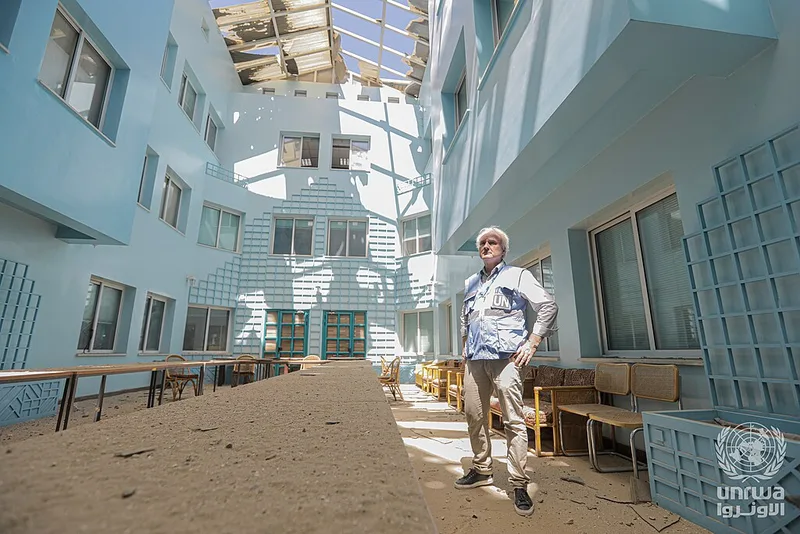
The agency says 76% of families lack hygiene supplies and 94% of residents need urgent shelter and non-food assistance.
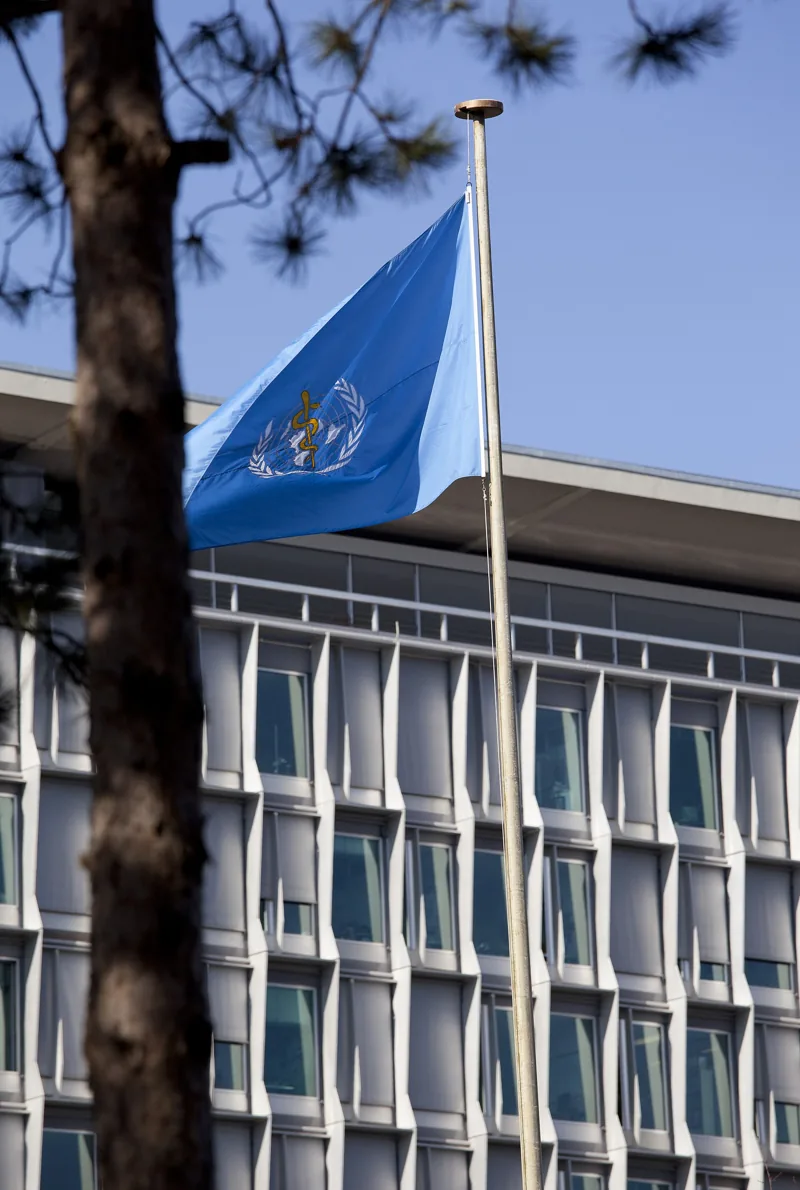
Contaminated water, damaged health infrastructure and medicine shortages are worsening disease and disability risks for Gaza’s children, while only 19 of 36 hospitals remain operational.
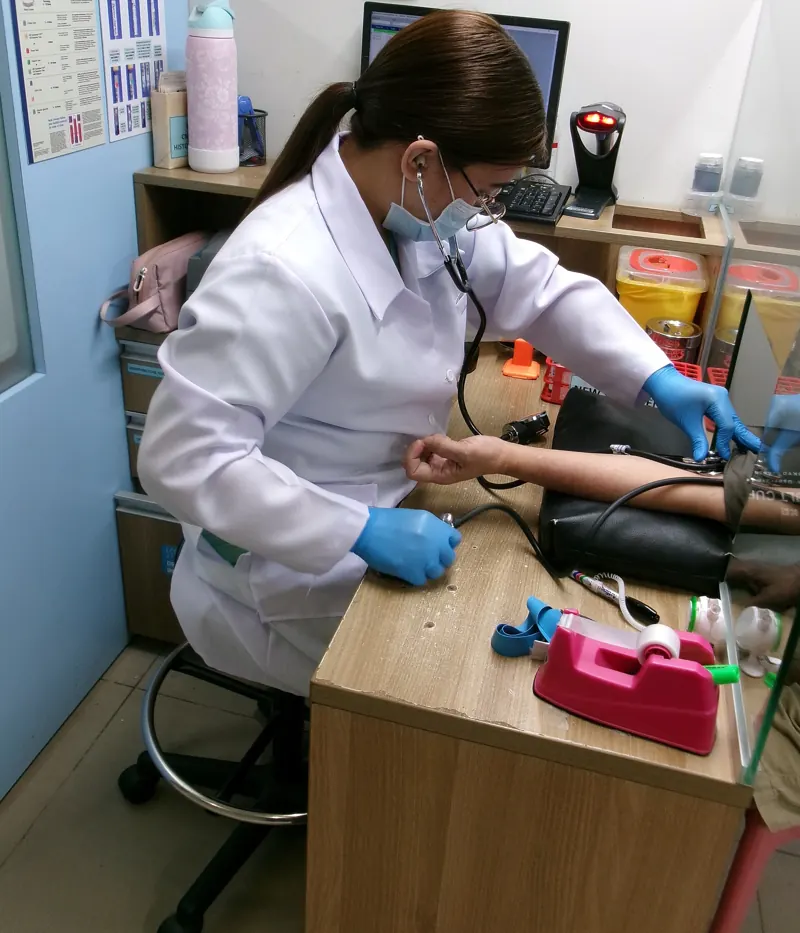
Shortages of screening equipment and medicines and the suspension of radiotherapy are prolonging the treatment journey for breast cancer patients in Gaza, while some have been waiting to travel for more than a year.
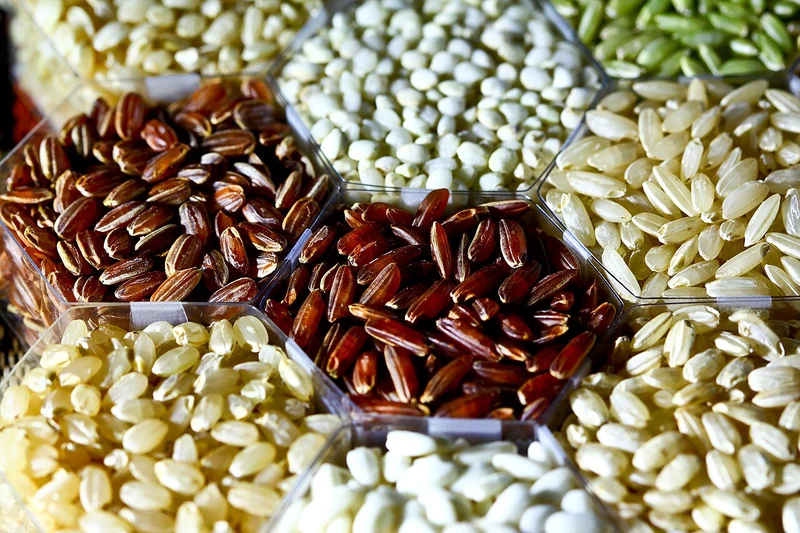
The Zanoun family says the scarcity of suitable food inside a displacement shelter in Khan Younis is exposing its children to health complications after the death of Assil.
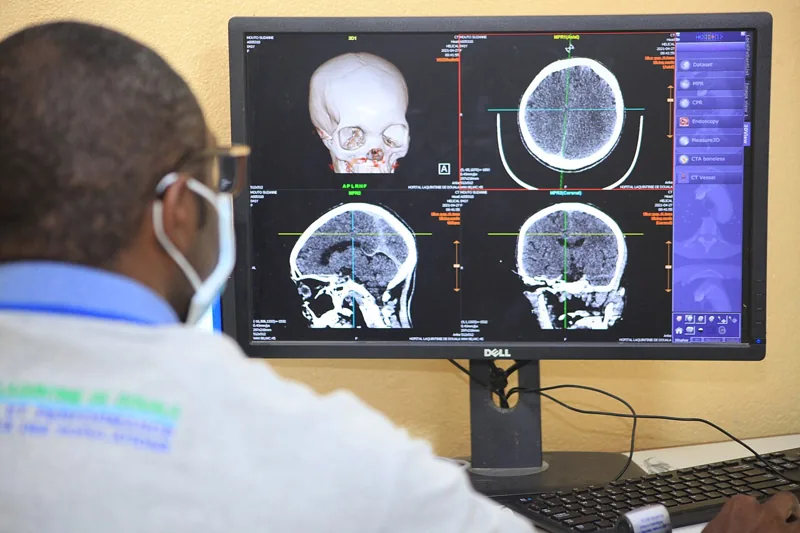
Displaced patients in Gaza described how repeated displacement, medicine shortages and rising prices worsened their chronic illnesses, while they struggled to travel between hospitals in search of treatment.
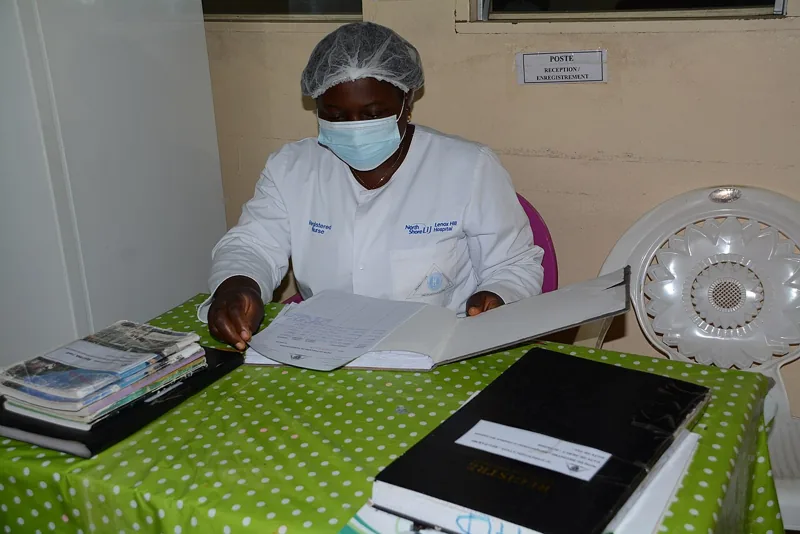
Al-Shifa Medical Complex opened a new hematology and oncology department with Turkish funding in an effort to restore some cancer treatment services damaged in the Gaza Strip.

A call for funded national lists covering wheelchairs, hearing aids, eyeglasses, prostheses, and communication tools, with maintenance and replacement throughout their use.
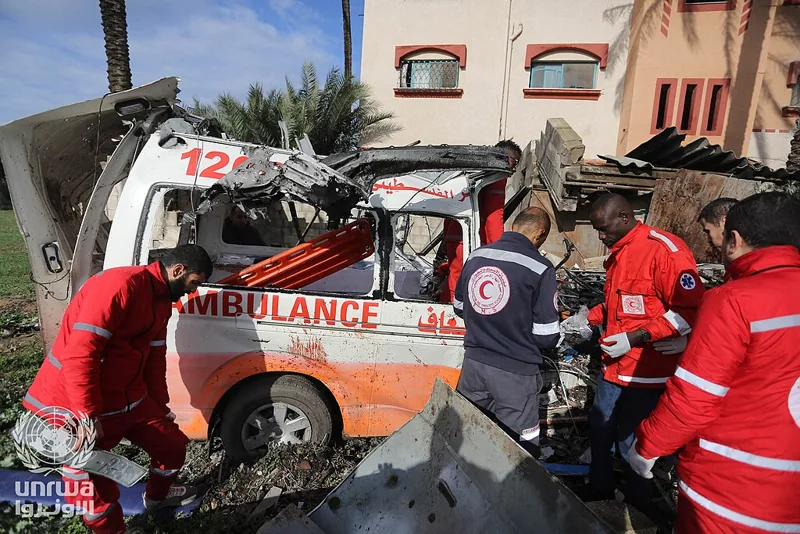
The Health Ministry warns of shortages of insulin and diagnostic and monitoring tools amid declining primary-care services and rising numbers of undiagnosed patients.
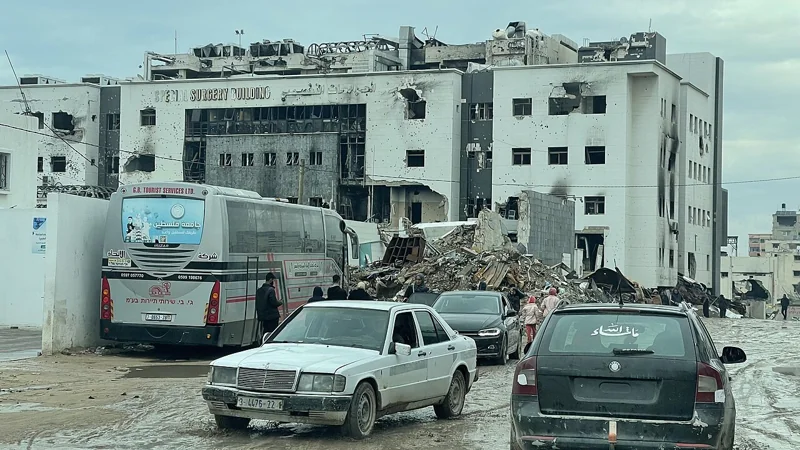
The Ministry of Health opened a specialized oncology and hematology department at Al-Shifa Medical Complex in Gaza City as part of efforts to restore damaged medical services in the enclave.
The second edition adds rules on sharing the benefits of health-worker mobility and co-investment between source and destination countries, while clarifying how the code applies in emergencies.
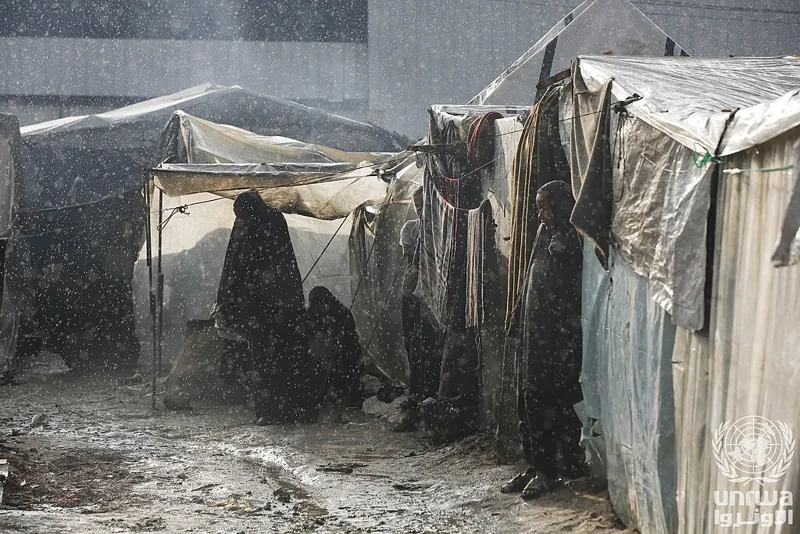
UN agencies warned that winter rains, restrictions on aid entry and funding shortages are deepening Gaza’s shelter, food and sanitation crises.

Beit Jala Hospital said four oncologists and two hematologists are under heavy pressure, while the lack of radiotherapy forces referrals to other governorates.
The union calls for the crossings to reopen and for critical cases to be allowed to travel, saying thousands of patients and wounded people await treatment unavailable in Gaza.
Gaza’s Health Ministry said more than 20 thousand and 800 patients are waiting to travel for treatment, including 5200 children, warning that restrictions at the crossings threaten critical cases.
Gaza’s Health Ministry warned that shortages of spare parts and accumulated payments could halt buses carrying more than five thousand health workers each day.
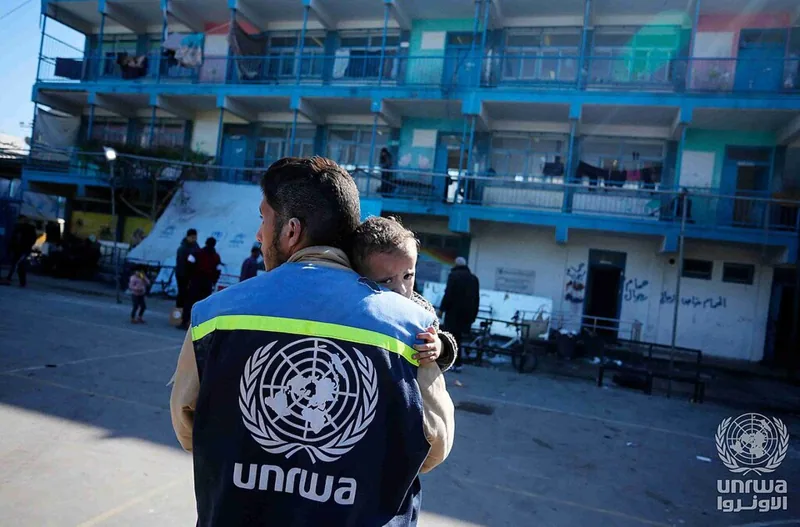
The death of an infant from hypothermia and rising respiratory infections prompt the organization to demand urgent entry of shelter, water and medical supplies.
The study included 728 participants and found that the eMTBR-tau marker distinguishes advanced stages, but it is not clinically available and cannot diagnose the disease on its own.
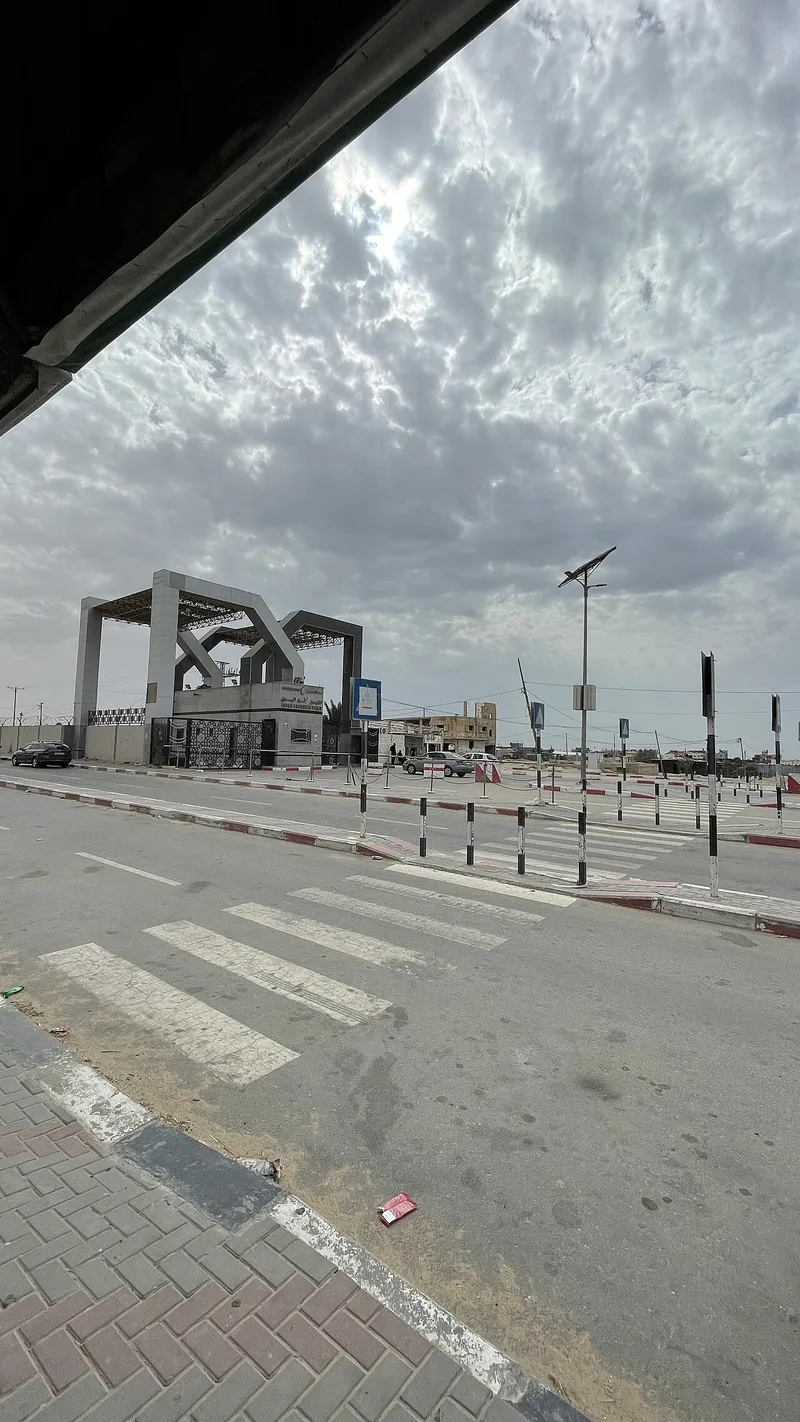
The Palestine Red Crescent helped prepare and transport the patients in coordination with the World Health Organization, after providing them with the necessary care at Al-Mawasi Field Hospital.
12 sick children from the Gaza Strip arrived in Jordan with 11 relatives for treatment through the Jordanian medical corridor launched in March 2025.
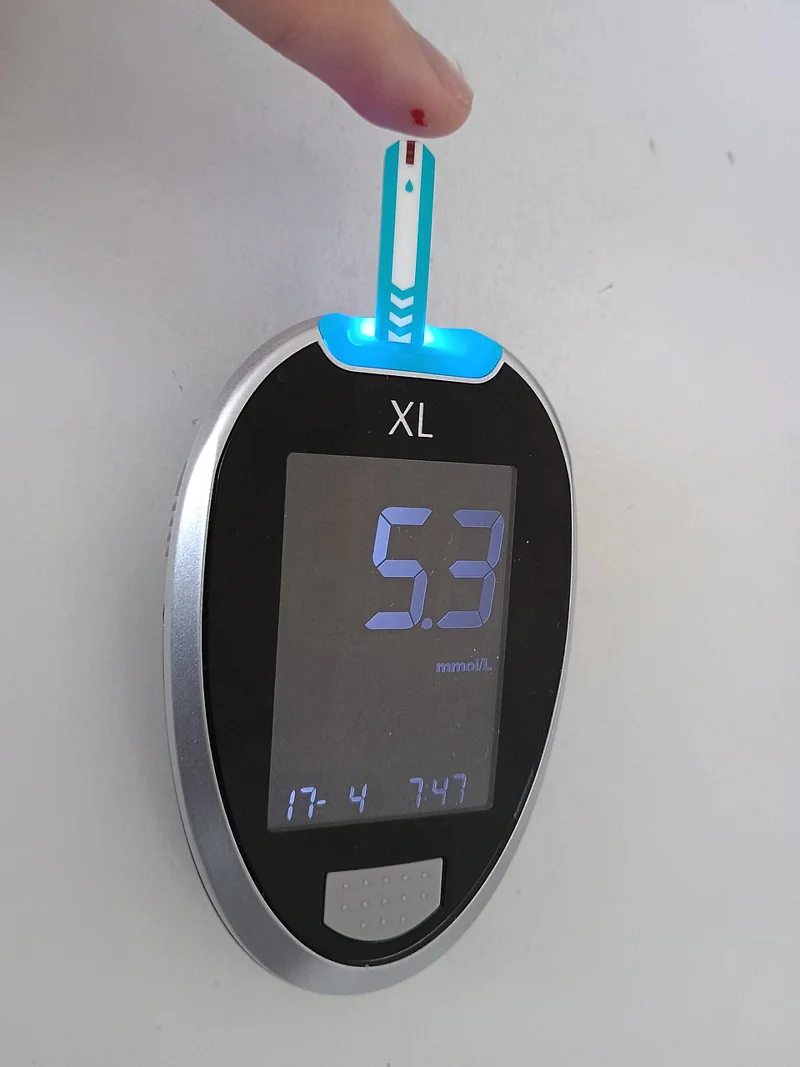
Gaza’s insulin pen stocks have fallen to zero, forcing families to reduce doses and use less precise methods while children are admitted to intensive care for intravenous treatment.
Medical professionals warn of an increase in meningitis cases in the Gaza Strip amid overcrowding, contaminated water and shortages of treatment, alongside a rise in respiratory infections.
The World Health Organization says 173 countries have plans to tackle antimicrobial resistance, but gaps in funding, testing and treatment continue to put many patients at risk.
Juzoor and Bank of Palestine launch a programme of examinations, awareness and medical supplies for older people and diabetes patients in the territory.