The olive season as collective work
How can we tell the story of a harvest without reducing farmers to a seasonal image?
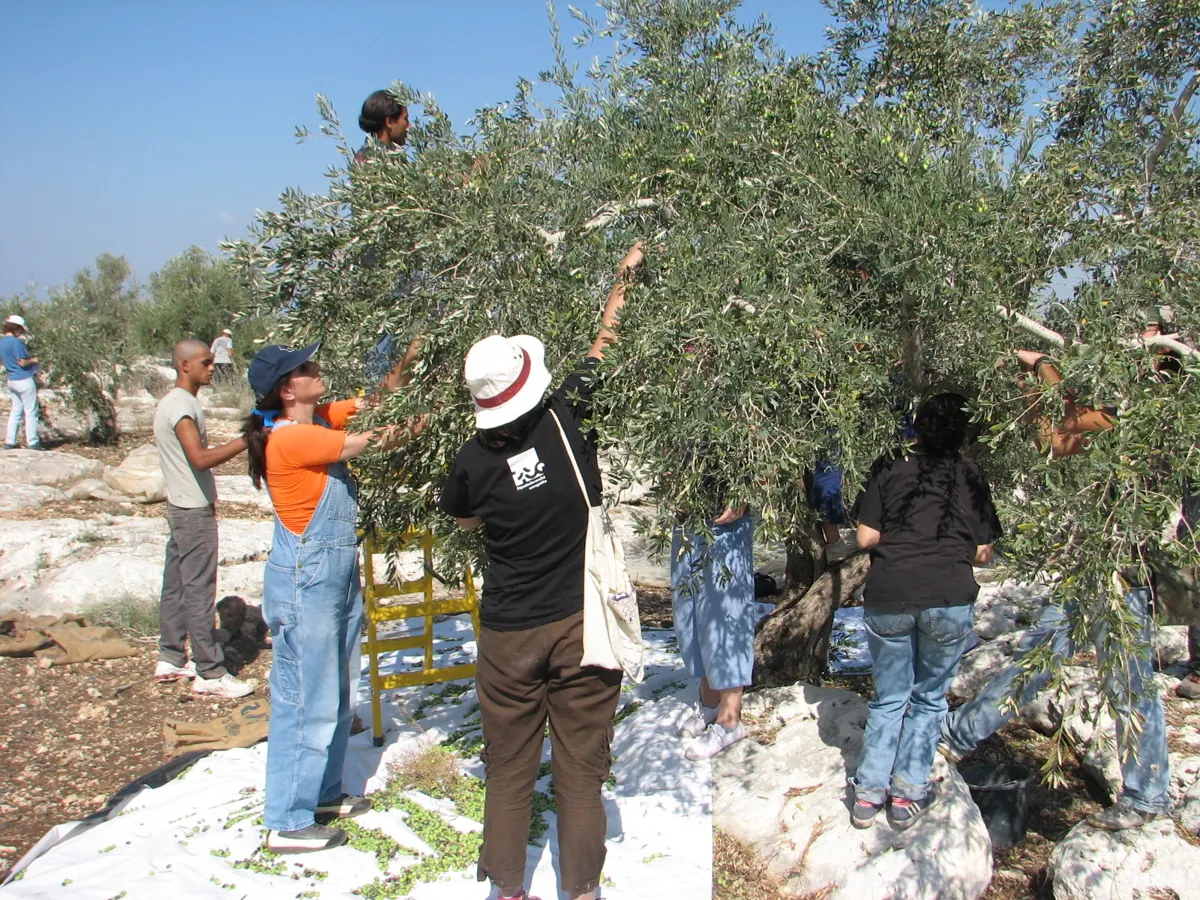
Photo rights
An image of hands gathered around an olive tree attracts attention, but alone it does not tell us how people reached the land, who organized the day or where the olives will go. The national campaign’s announcement that it would use local committees invites us to examine the work before and after the photograph.
Journalism can begin with organizing time: how are farmers’ needs gathered? How are volunteers allocated? How is the landowner’s ability to manage the season respected? We assume no ready-made answers; we ask questions that let participants describe their own experience.
In cultural storytelling, it is important not to turn the farmer into an abstract symbol. Farmers have production calculations, fatigue and decisions, as well as an emotional connection to their land. Giving these details room does not diminish the olive’s symbolism but gives it a clearer human meaning.
We believe the most compelling story of the season brings memory and actual work together, showing cooperation without glossing over difficulties. This is an invitation to a way of reporting, not field testimony or an account attributed to a particular family.