Education support: Does help reach every student?
The success of education plans is measured by students’ ability to follow and understand their lessons, as well as by the number of meetings.
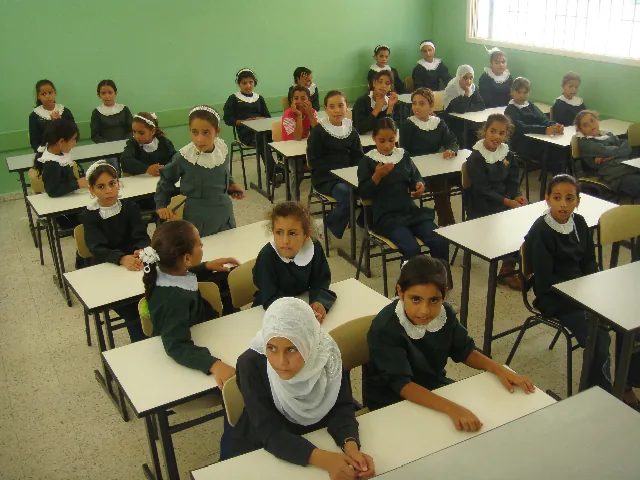
Photo rights
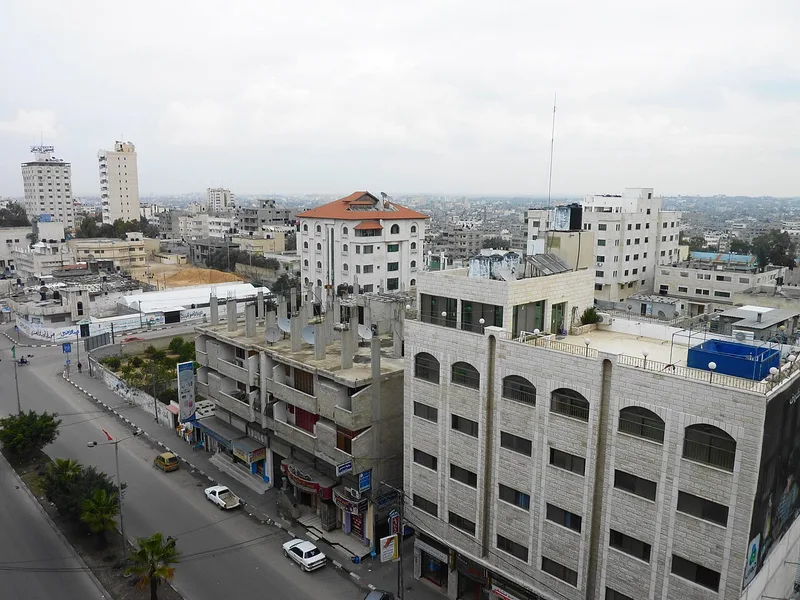
The Palestinian Ministry of Education and Higher Education discussed support for Palestinian education with the United Nations Children’s Fund, UNICEF, at a meeting held on the first of October 2026. The ministry’s statement said the discussion covered support for education in Gaza, assistance for teachers and protection of children’s right to access education.
Announcing plans, however, is insufficient to judge their results. We believe the most important question is whether students can follow their lessons or still face obstacles. Answering it requires listening to students, their families and teachers, rather than relying solely on the number of meetings or programmes announced.
Sending a lesson to a student does not necessarily mean they have been able to read or understand it. Any programme can be assessed through direct questions: Did the learning material arrive? Did the student follow lessons regularly? Could they contact their teacher and ask for help? These are questions we propose tracking, rather than findings established by the ministry’s statement.
Figures help explain the scale of the work, but cannot alone describe every student’s experience. It is therefore important to explain what those figures measure and what remains unknown, while protecting children’s privacy when reporting their experiences. This is an editorial reading of how to track the results of education support, rather than a finding that a particular programme has failed or a field report on students’ circumstances.