Dates: the quality of the crop and the quality of information
Why must we distinguish seasonal estimates from what has actually been sold and exported?
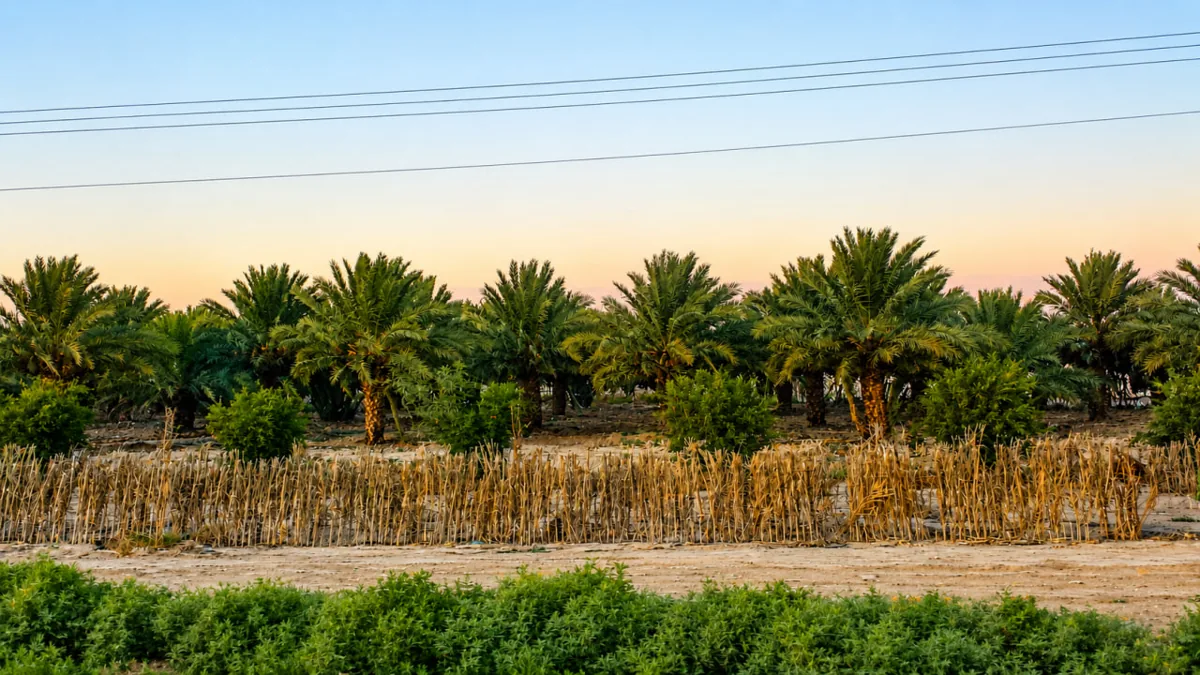
Photo rights
As the date harvest begins in the Jordan Valley, production estimates and figures for the previous season’s exports have appeared. This is an opportunity to ask a simple editorial question: is the number a forecast, a harvested crop or a quantity that crossed a border? Those terms describe different stages even when the number looks similar.
In reading the sector, we suggest following the product from farm to buyer. Where is quality measured? Who bears sorting and packing costs? When is the producer paid? Answers require interviews and documents and cannot be inferred from export value alone.
A rise in potential sales value also does not automatically show how returns are divided among workers, farmers, processors and exporters. Journalism should follow these relationships without assuming everyone benefited equally.
The story of dates deserves coverage bringing the economy, place and work together. We suggest beginning with precise language that preserves the difference between promise and outcome, then returning when the season is complete to compare expectations with what was achieved.