Presiding over the Security Council: Managing the agenda without controlling decisions
An editorial reading of the difference between a procedural role and the power to settle positions.
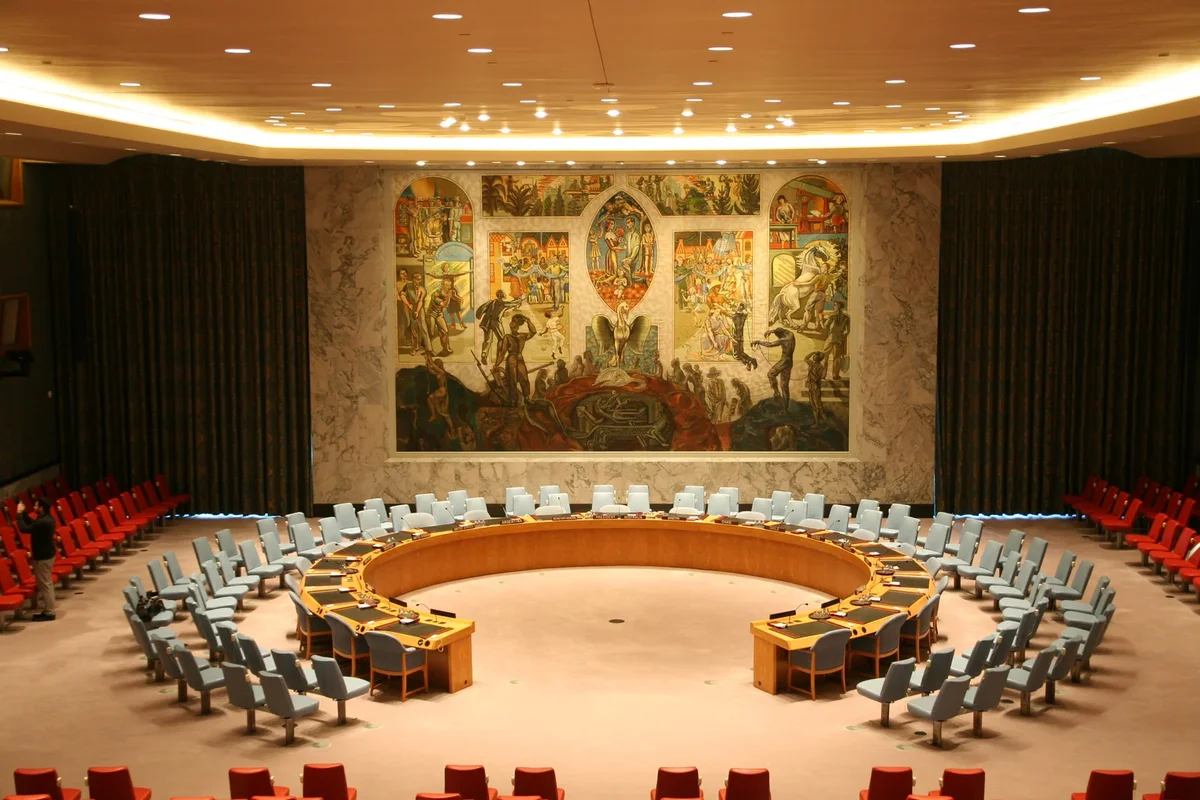
Photo rights
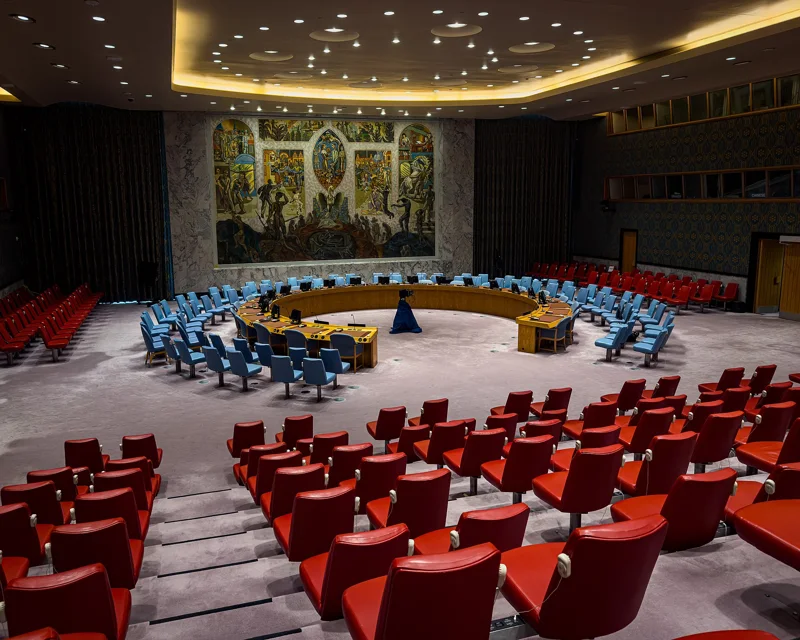
A headline announcing that a country has assumed the presidency of the Security Council may suggest that it now controls the Council’s political direction. The rotating presidency, as in this month’s report about Greece, calls instead for a distinction between managing the institution’s business and the positions of its member states.
We suggest that coverage should follow the meetings programme and then examine its actual outcomes. What issue was on the agenda? Did the discussion produce a resolution or a statement, or remain at the consultation stage? These are different steps and should not be grouped under a broad expression implying a decision that has not been reached.
When available, it is useful to show the official text and its adoption date, while distinguishing delegates’ statements from the Council’s outcomes. A national position, however important, is not automatically the position of the entire institution.
This is an editorial reading of how to follow diplomatic news, rather than a prediction of the results of a particular presidency. It calls for judging work by what has been accomplished and documented, while giving readers context that explains why discussion may broaden even as the scope for agreement remains limited.