Study Tests Earth, the Sun, Jupiter, and White Dwarfs as Potential Dark-Matter Traps
New research found no direct evidence of dark matter, but ruled out some of its possible properties through its effects on celestial bodies.
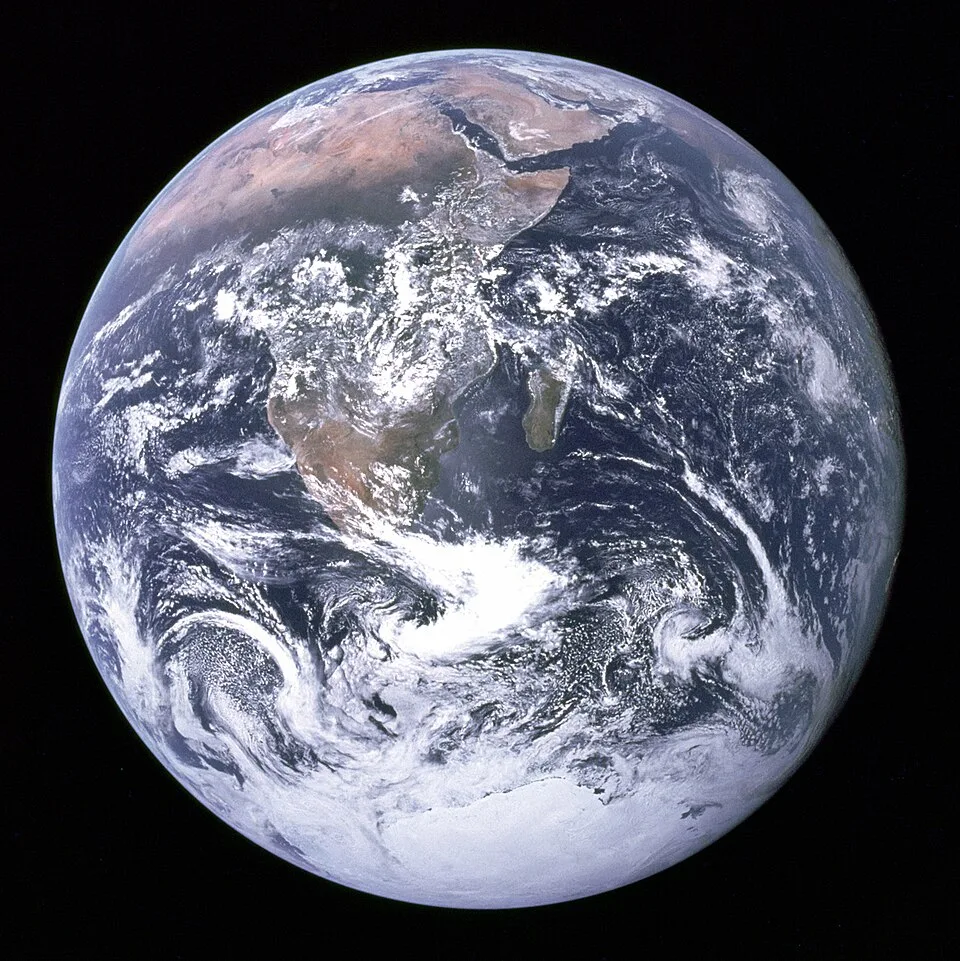
Photo rights
Researchers tested the possibility that Earth, the Sun, Jupiter, and white dwarf stars could trap slow-moving dark-matter particles, potentially making their effects observable even when their signals are weak in ground-based detectors.
The idea is that a slow particle could lose enough energy while passing through a celestial body to remain trapped by its gravity. As particles accumulate over billions of years, they may collide and transform into other particles or add measurable heat.
A team including Alejandro Ibarra, Merlin Reichard, and Gaurav Tomar compared observations of neutrinos from Earth and the Sun with the heat of Jupiter and white dwarfs. It found no evidence of dark matter, but ruled out combinations of masses and electromagnetic properties that had remained possible in earlier experiments.
The researchers acknowledge that the results depend on estimates of dark-matter density around stars; changes in those estimates could weaken or strengthen the new limits. The study was published in the Journal of Cosmology and Astroparticle Physics.