Egypt increases base support under export subsidy programme by an average of 35%
The new programme raises incentives for border regions, export growth, quality certification and technological upgrading, while retaining the incentive for target markets at 25%.
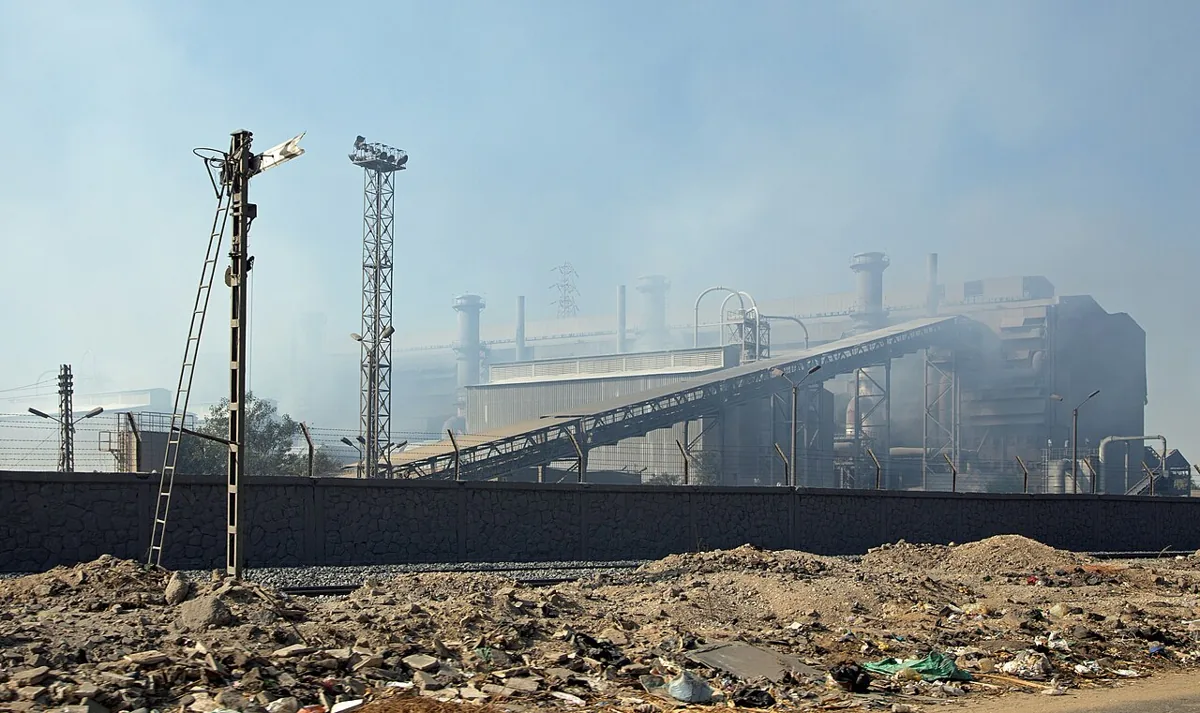
Photo rights
Egypt’s Export Development Fund announced an average 35% increase in the base support rates under its export rebate programme compared with previous rates. The increase will cover all eligible sectors. The announcement came during a conference held by the Ministry of Investment and Foreign Trade to present the new programme.
The fund’s chief executive, Hatem El-Nawawy, said the incentive for Upper Egypt and border regions would rise from 25% to 40%, while the export growth incentive would increase from 9% to 12%. The quality certification incentive will also rise from 30% to 60%, and the economic complexity and technological support incentive from 20% to 60%.
The programme includes raising the machinery modernisation incentive from 4% to 8% of the purchase cost and setting the incentive for electronic platforms at 30%. The incentive for exports to target markets remains at 25%. According to the fund’s announcement, the programme aims to reduce exporters’ burdens, encourage production line upgrades and expand activity in areas that have benefited less.