UNCTAD unanimously approves expanded support for Palestinian economic recovery
The Trade and Development Board adopted a resolution strengthening the work of the Assistance to the Palestinian People Unit and maintaining scrutiny of occupation costs and recovery prospects.
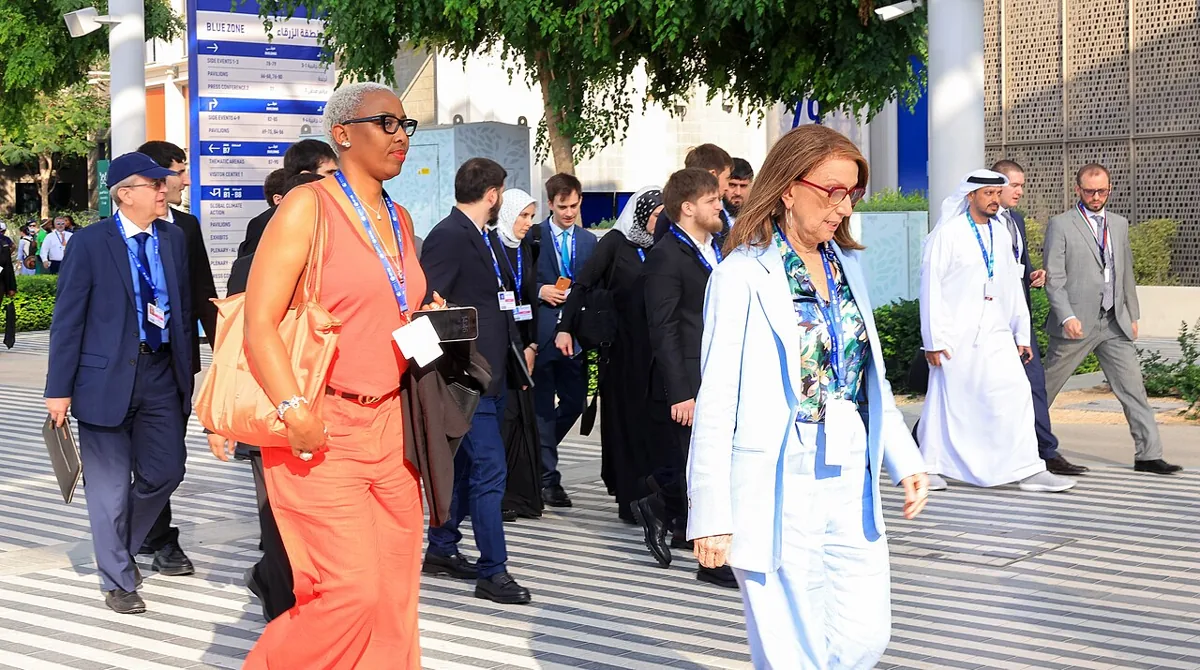
Photo rights
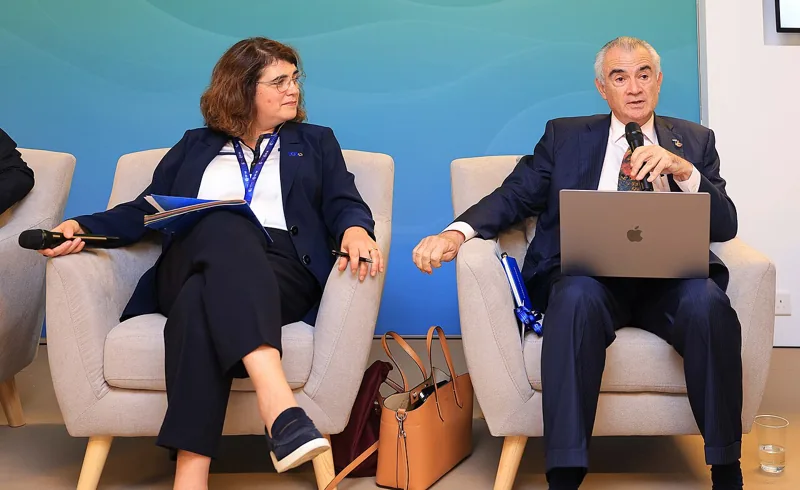
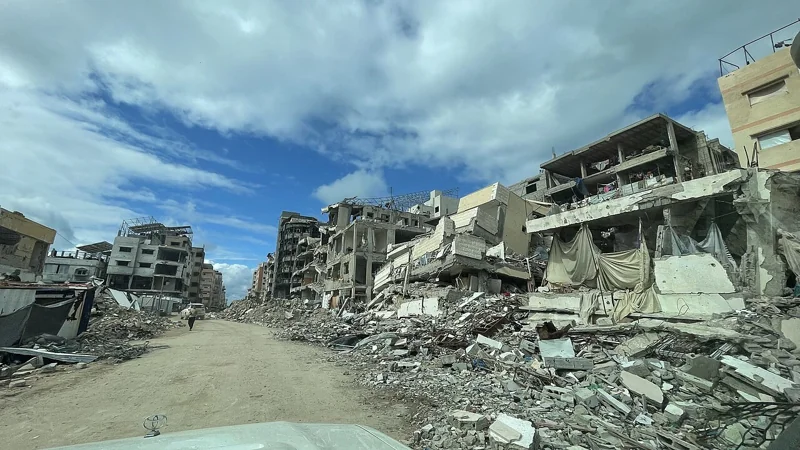
United Nations Trade and Development (UNCTAD) unanimously adopted a resolution expanding its assistance to the Palestinian people and support for economic recovery during the Trade and Development Board’s seventy-ninth executive session in Geneva. The resolution calls for strengthening the Assistance to the Palestinian People Unit, contributing to economic rehabilitation, and continuing to examine the economic costs of the occupation and recovery prospects in the occupied Palestinian territory.
According to published Palestinian coverage, the resolution marks the first broad international consensus in three decades to include Palestine in this track. It sets the organization’s framework for the next phase and follows priorities adopted by member states at UNCTAD’s sixteenth conference.
The published information does not specify new funding or a detailed implementation timetable. It nevertheless anchors continued technical and research support for the Palestinian economy in the organization’s program, alongside monitoring the costs of the occupation and obstacles facing trade and development.